Information
About Seoul & Korea
About Seoul & Korea
About Seoul
About Korea
Seoul Tour Course
-
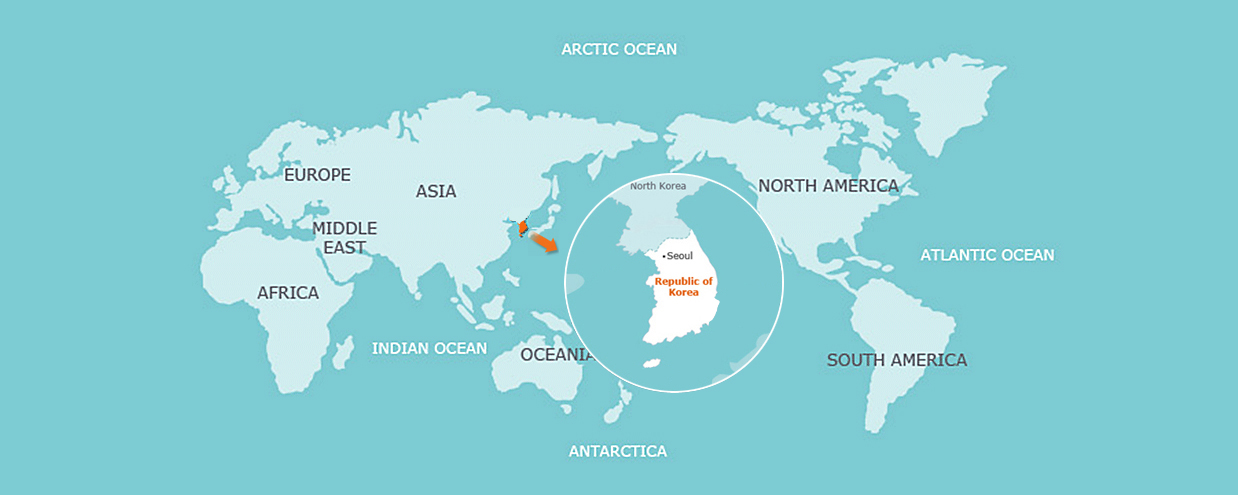
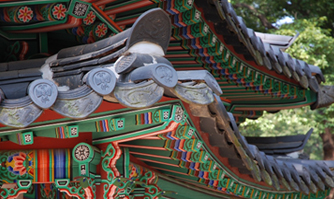
Seoul, the capital of Korea, serves as the epicenter of Korean culture, education, politics, and economics. This vibrant city boasts numerous historic landmarks and preserves rich traditions. Additionally, its bustling shopping and entertainment districts annually attract a significant influx of tourists. The Han River, meandering through the heart of the city, provides Seoul with a distinctive landscape, offering numerous serene spots for residents to unwind.
General Information
| Population | 9,343,304 (January 2025 Statics) |
|---|---|
| Religion | Christianity, Buddhism and Other |
| Language | Korean (English, Japanese and Chinese available in main tourist areas) |
| Surface Area | 605.24k㎡ |
Useful Websites

-
Visit SeoulVisit Seoul provides various information for foreigners who want to know more about Seoul!
Virtual Seoul Tour
-
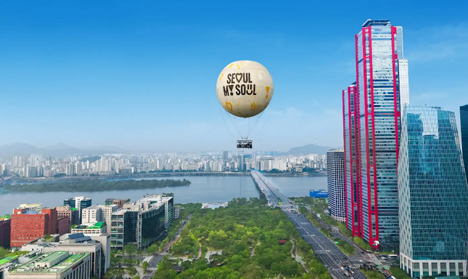
Virtual Seoul Tour & Site InspectionVirtual Seoul Tour is an immersive and experiential content that allows you to explore Seoul's major MICE facilities in virtual reality.
Experience the MICE city of Seoul vividly with 360 VR videos spanning Seoul’s landmarks, convention centers, unique venues, hotels, and team building experiences.Go to Virtual Tour
Tourist Attractions
Natural Attractions
Historical & Cultural Site
Others
-
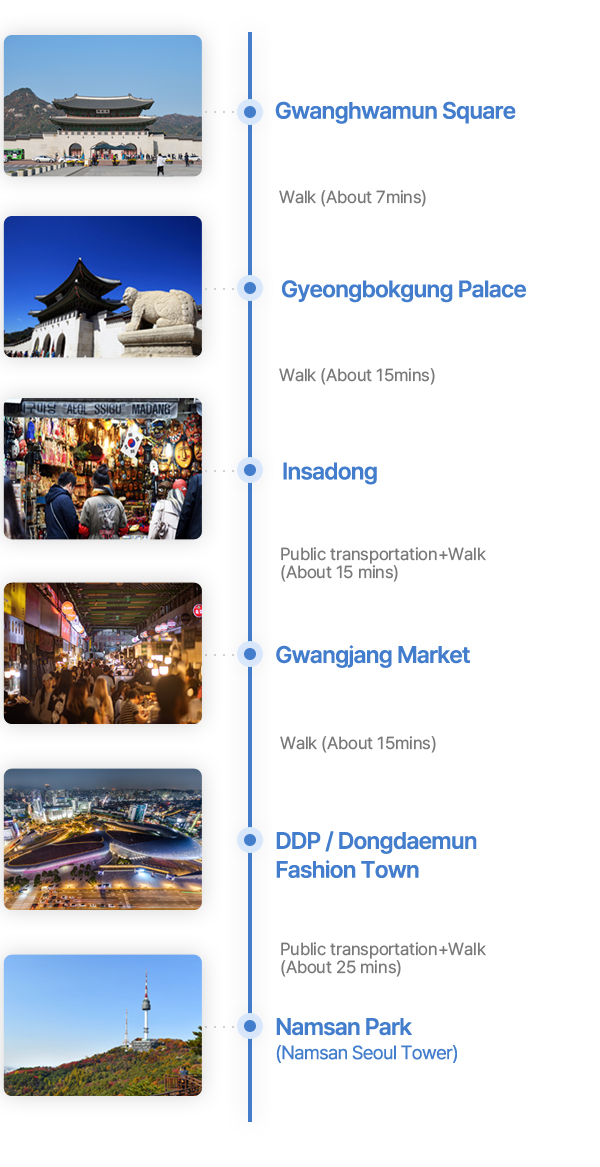
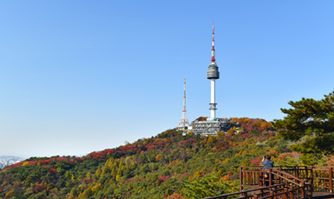
Namsan ParkNamsan Park stands as Seoul's most extensive park, housing a diverse array of trees, plants, and wildlife species. Renowned for its enchanting walking paths, this expansive park offers a multitude of attractions, encompassing Baekbeom Square, the Namsan Cable Car, Namsan Seoul Tower, and statues commemorating notable figures from Korean history.Website
-
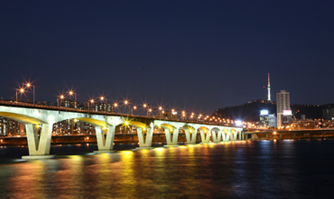
Yeouido Hangang ParkLocated in Yeouido, the hub of politics, media, and finance, Yeouido Hangang Park is easily accessible by public transportation and offers a wide range of events, including the Cherry Blossom Festival in spring, concerts, and marathons year-round. Visitors can explore well-preserved natural areas like Bamseom Island and Yeouido Saetgang Tributary to discover nature and ecology.Website
-
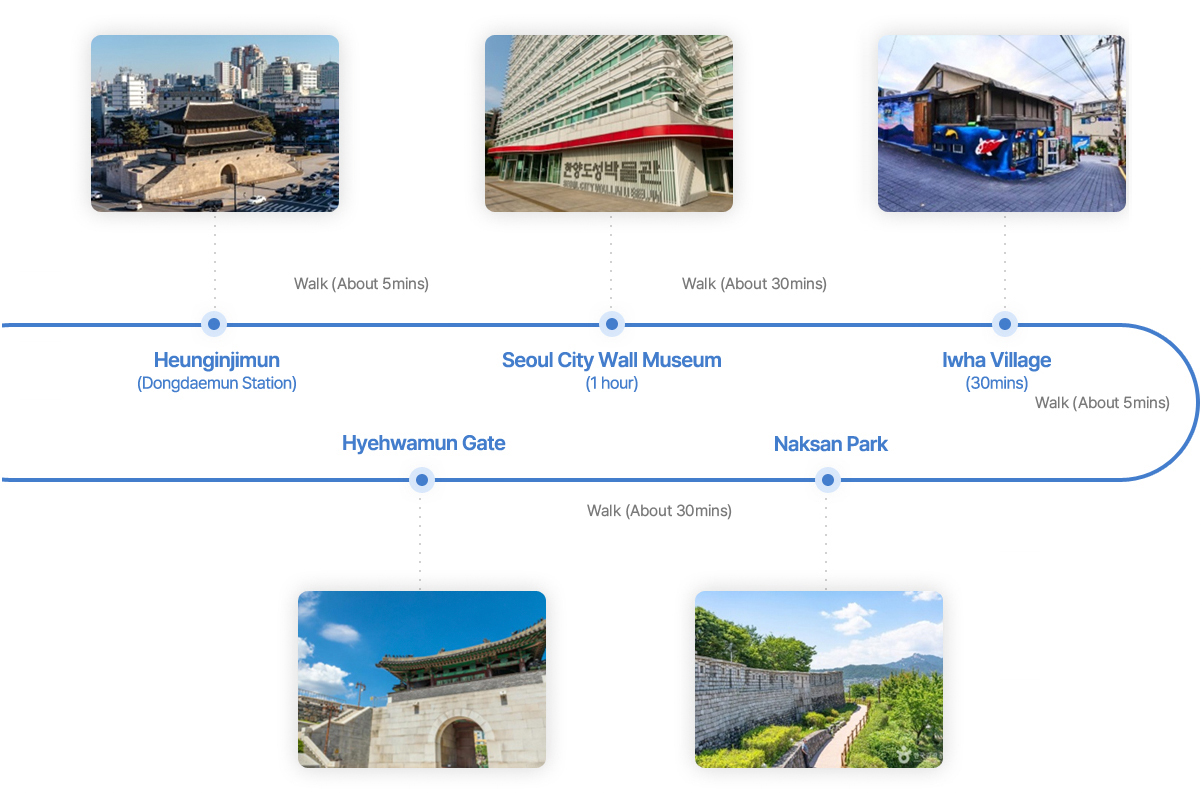
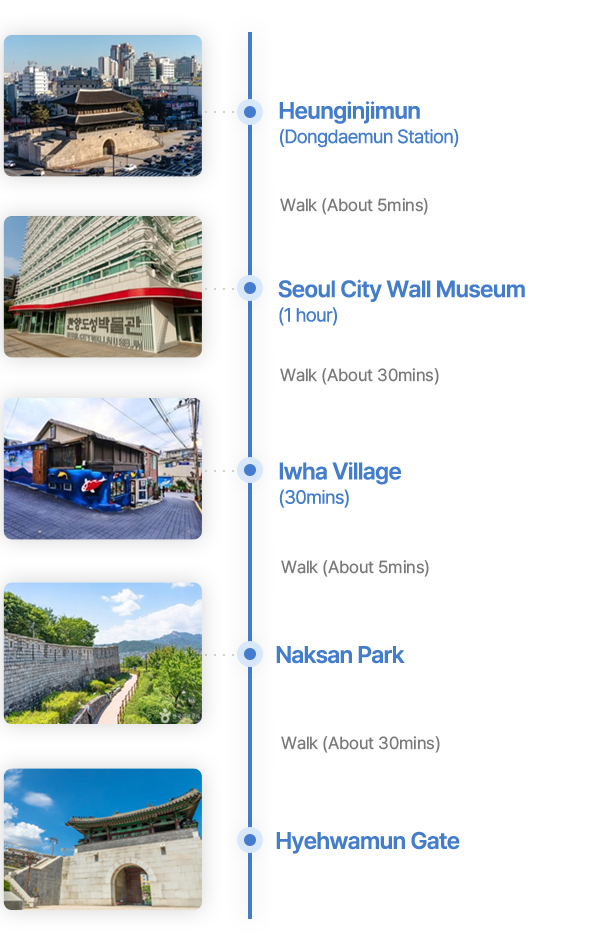
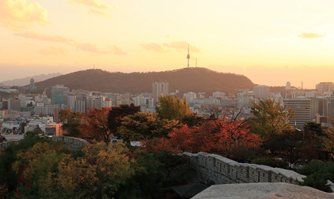
Naksan ParkNaksan Park occupies one of Seoul’s inner mountains (Naksan, about 125 m high), which is part of the ancient city wall known as the Hanyangdoseong.Website
At its entrance, the Naksan Exhibition Hall presents the park’s history, its connection to the old city wall, and panoramic models of old Seoul. A walk along the wall’s ridge offers sweeping views of Seoul’s rooftops, especially around the Ihwa-dong area — making it a favorite spot for sightseeing and quiet contemplation.
-
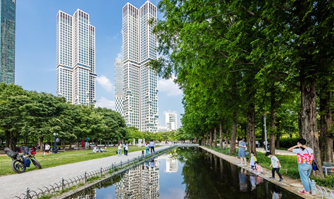
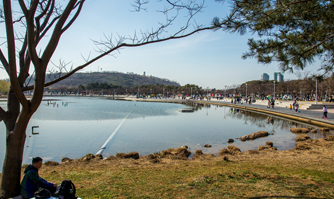
Seoul ForestOpened in 2005, Seoul Forest is a major urban green space blending nature, art, and community.Website
Spanning over 490,000 m², the park is divided into themed zones: an Eco Forest, a Culture & Arts Park, a Learning Forest, a Wetland Eco Center, and riverside trails along the Hangang.
Managed by a public–private partnership, the park was created with strong civic involvement — thousands of citizens and companies helped plant trees during its development.
With more than 420,000 trees and about 100 species of animals, it’s a serene but vibrant place where visitors can picnic, explore, or simply unwind in nature.
-
World Cup ParkWorld Cup Park is a remarkable example of environmental regeneration: once a massive landfill on Nanjido Island, it was transformed into a sprawling eco-park in time for the 2002 Korea–Japan World Cup.Website
Officially opened on May 1, 2002, the park consists of five sub-parks: Peace Park (Pyeonghwa), Sky Park (Haneul), Sunset Park (Noeul), Nanjicheon, and Nanji Hangang Park.
Haneul Park, with its rolling grasslands, silver grasses, and wind turbines, provides stunning panoramic views of Seoul, especially at sunset.
Peace Park features a pond, gardens, and a narrative exhibition about the transformation of the former landfill — turning a symbol of waste into a space for harmony and nature.


Certain images displayed on this page have been provided by the Seoul Tourism Organization and The Seoul Institute.